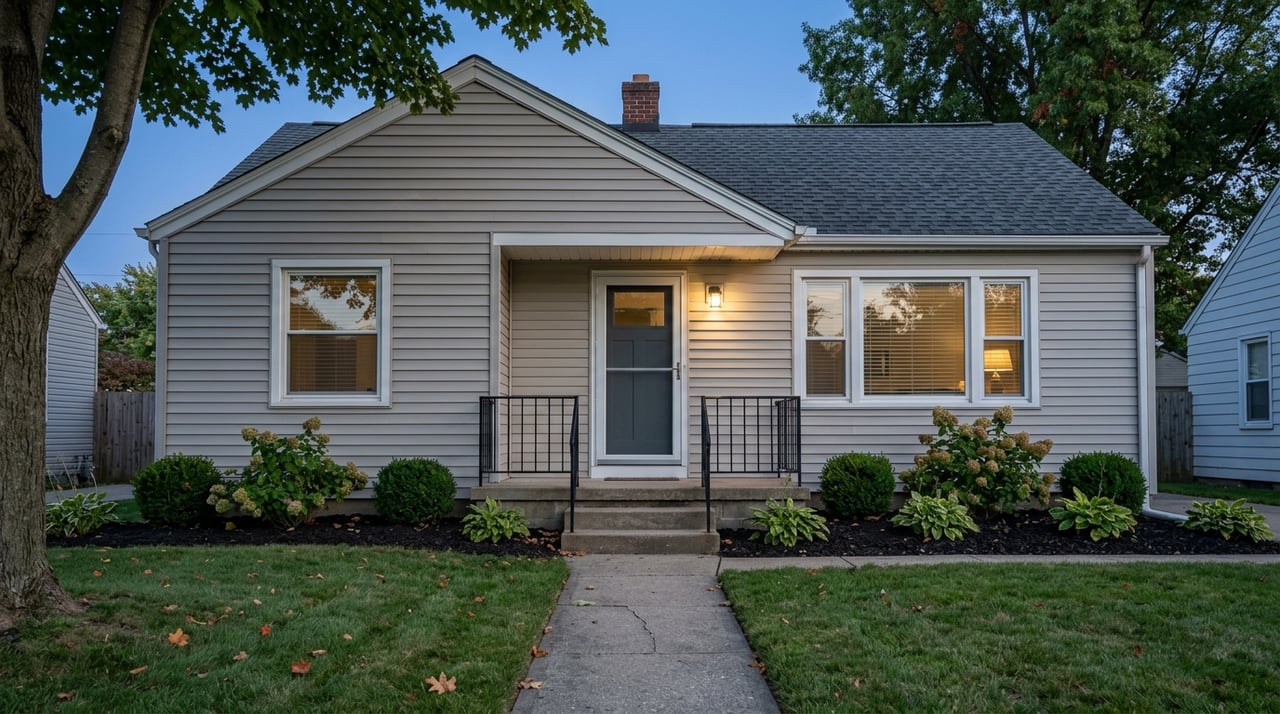
If you need to sell your Gary home, the biggest question may not be whether to sell, but how to sell. In a market where price, condition, and timing can vary a lot from one area to another, the right path depends on what matters most to you. This guide will help you compare a cash offer with a traditional sale so you can weigh speed, costs, repairs, and likely net proceeds with more confidence. Let’s dive in.
Gary Market Conditions Matter
Gary is an affordable market, but it is not one-size-fits-all. As of March 2026, reported figures show a median sale price of $85,500, an average home value of $86,989, and a median listing price of $140,000, depending on the source and what each metric measures. Together, those numbers suggest a market where pricing and property condition matter a lot.
Homes are also not flying off the shelf overnight. Reported timelines show homes commonly taking about 36 days to go pending and roughly 47 to 57 days on market, with sale-to-list ratios around 94.5% to 98% in available market snapshots. That means buyers may still negotiate, and sellers often benefit from strong pricing and presentation rather than assuming they will get top dollar right away.
Neighborhood differences also matter in Gary. Local market snapshots show median listing prices ranging from about $45,000 in Midtown to $299,900 in Miller, with seller timelines also varying by area. In practical terms, your home’s exact location, condition, and repair needs can make a big difference in whether a cash offer or traditional sale makes more sense.
When a Cash Offer Makes Sense
A cash sale is usually about speed, certainty, and simplicity. If you want to skip repairs, avoid showings, or move on a clear timeline, this option can be a strong fit. It can be especially useful if your home needs major work or if life circumstances make a standard listing feel overwhelming.
According to Favela Homes, sellers can request an offer, have the property reviewed, and close on their schedule, with closings possible in as few as three weeks. The company also states that it buys homes in any condition, with no repairs, no real estate commissions, and no closing costs. For some homeowners, that lower-friction process is the main benefit.
This route often fits situations like:
- Inherited properties
- Homes with structural or repair issues
- Tenant-occupied homes
- Relocation
- Divorce
- Foreclosure risk
- Sellers who simply want a faster, more certain sale
Gary’s broader housing and income data help explain why this can matter. Census QuickFacts shows Gary’s owner-occupied housing unit rate at 49.1%, median value of owner-occupied homes at $94,700, and median household income at $38,731. For many homeowners, avoiding upfront repair and prep costs may be just as important as aiming for the highest possible sale price.
What You Trade for Convenience
A cash sale can reduce stress, but you still need to compare the numbers carefully. The biggest tradeoff is often that a direct offer may prioritize speed and certainty over the highest gross price. That does not automatically make it the wrong choice, but it does mean you should look beyond the headline number.
The FTC’s case involving Opendoor refunds is a useful reminder for sellers everywhere. The FTC alleged that many sellers received less than expected and paid more than they were told, which shows why it is smart to verify any offer in writing and compare the full net proceeds, not just the offer amount. The lesson is simple: convenience has value, but you should still ask for a clear breakdown.
When reviewing a cash offer, ask:
- What is the exact offer price?
- Are there any fees or deductions?
- Who pays closing costs?
- Is the buyer asking for repairs or credits later?
- How fast can you realistically close?
- What is your estimated net at closing?
When a Traditional Sale Makes Sense
If your home is in solid condition, financeable, and you have time to prepare it for the market, a traditional sale may help you pursue a higher gross price. Nationally, this is still the most common route. The National Association of Realtors reported that 91% of sellers used a real estate agent.
A traditional listing gives your home exposure to more buyers. That broader exposure can be especially helpful if your property is updated, well-maintained, or located in an area where buyers are willing to pay more for move-in-ready homes. In Gary, where condition sensitivity is real, a home that shows well may stand out.
Preparation can also affect results. NAR reported that 29% of sellers’ agents saw a 1% to 10% increase in offered value from staging, while 49% saw faster sales. The same source reported a median staging-service cost of $1,500, which means the payoff may be worth it for some sellers but not for all.
Costs to Expect in a Traditional Sale
A traditional sale can bring a stronger gross price, but your net proceeds depend on more than the contract price. You may need to budget for cleaning, decluttering, minor updates, staging, and possible repair requests. You may also face negotiations over credits and closing costs.
NAR’s consumer guide to preparing to sell notes that a pre-sale inspection is not required, but it can help identify issues that may affect price or negotiations. The guide also explains that significant repair issues can influence what buyers offer, even if you choose not to fix them before listing.
The Consumer Financial Protection Bureau explains that seller-paid closing costs or buyer credits are negotiated, and sellers often try to offset those costs through a higher purchase price. If a buyer asks for a repair credit, the expense does not disappear. It simply shifts how and when the cost shows up in the transaction.
Repairs, Staging, and Prep in Gary
One of the most common questions sellers ask is whether they have to make repairs before selling. The short answer is no. NAR says a pre-sale inspection is optional, and sellers are not required to complete repairs before listing.
That said, pricing a Gary home correctly usually means understanding its true condition first. If your roof, foundation, plumbing, or electrical systems need work, those issues can affect buyer financing, negotiation strength, and time on market. In a balanced, condition-sensitive market, repairs do not have to be completed, but they should be accounted for.
Staging works the same way. You do not have to stage your home, but staging and presentation may improve buyer response and shorten your timeline. For sellers with limited time or budget, even basic steps like decluttering, cleaning, and improving curb appeal can make a difference.
A Simple Side-by-Side Comparison
Here is a practical way to compare your two options:
| Factor | Cash Offer | Traditional Sale |
|---|---|---|
| Speed | Often faster, with closing possible in as few as three weeks through Favela Homes | Usually slower, with local timelines often around 36 days to pending and 47 to 57 days on market |
| Repairs | Typically sold as-is | Repairs may be optional, but condition affects price and negotiations |
| Showings | Usually minimal or none | Usually requires showings and market exposure |
| Costs | Favela Homes states no repairs, no commissions, and no closing costs | May include prep costs, commissions, credits, and negotiated closing costs |
| Price Goal | Often prioritizes certainty and convenience | Often aims to maximize gross price |
| Best Fit | Distressed, inherited, tenant-occupied, or time-sensitive situations | Updated or financeable homes where timing is more flexible |
How to Decide for Your Gary Home
The best choice comes down to your priorities. If you need speed, want to avoid repairs, or are dealing with a difficult property situation, a cash offer may be the better fit. If your home is in good shape and you can invest some time in prep and marketing, a traditional sale may offer more upside.
A smart next step is to compare both options side by side. Look at the expected sale price, estimated closing costs, repair burden, prep expenses, and timeline for each path. In Gary, where neighborhood and condition can shift outcomes so much, this kind of apples-to-apples comparison is often more useful than focusing on one number alone.
Based on its website, Favela Homes is positioned to help with that conversation. The company offers a direct-buy program for homes in any condition and also states that it can explain how selling directly compares with a traditional listing. That can be helpful if you want to evaluate your options before committing to one route.
If you want a straightforward look at what your Gary home could sell for and which path fits your timeline, connect with Favela Homes. You can explore a cash offer, ask questions about a traditional sale, and choose the option that works best for your situation.
FAQs
Should I choose a cash offer or traditional sale for my Gary home if it needs repairs?
- If your Gary home needs major work, a cash offer may be a better fit if you want to avoid repair costs, showings, and delays, while a traditional sale may still work if you price the condition appropriately and can handle negotiations.
Do I have to make repairs before selling my Gary house?
- No. According to NAR, you do not have to make repairs before selling, but major issues can affect buyer interest, financing, and the price you are likely to receive.
How fast can a cash home sale close in Gary with Favela Homes?
- Favela Homes says closings can happen in as few as three weeks, depending on the property and your schedule.
Can I get more money with a traditional home sale in Gary?
- Possibly. A traditional sale may produce a higher gross price, but your final net depends on commissions, prep costs, repair negotiations, concessions, and closing costs.
Do I need to stage my Gary home before listing it traditionally?
- No, but NAR reports that staging can help some homes sell faster and may improve offered value, so it can be worth considering if your budget and timeline allow.
Can sellers negotiate buyer credits and closing costs in a Gary home sale?
- Yes. CFPB says buyer credits and seller-paid closing costs are negotiated, and sellers often factor those costs into the overall deal structure.