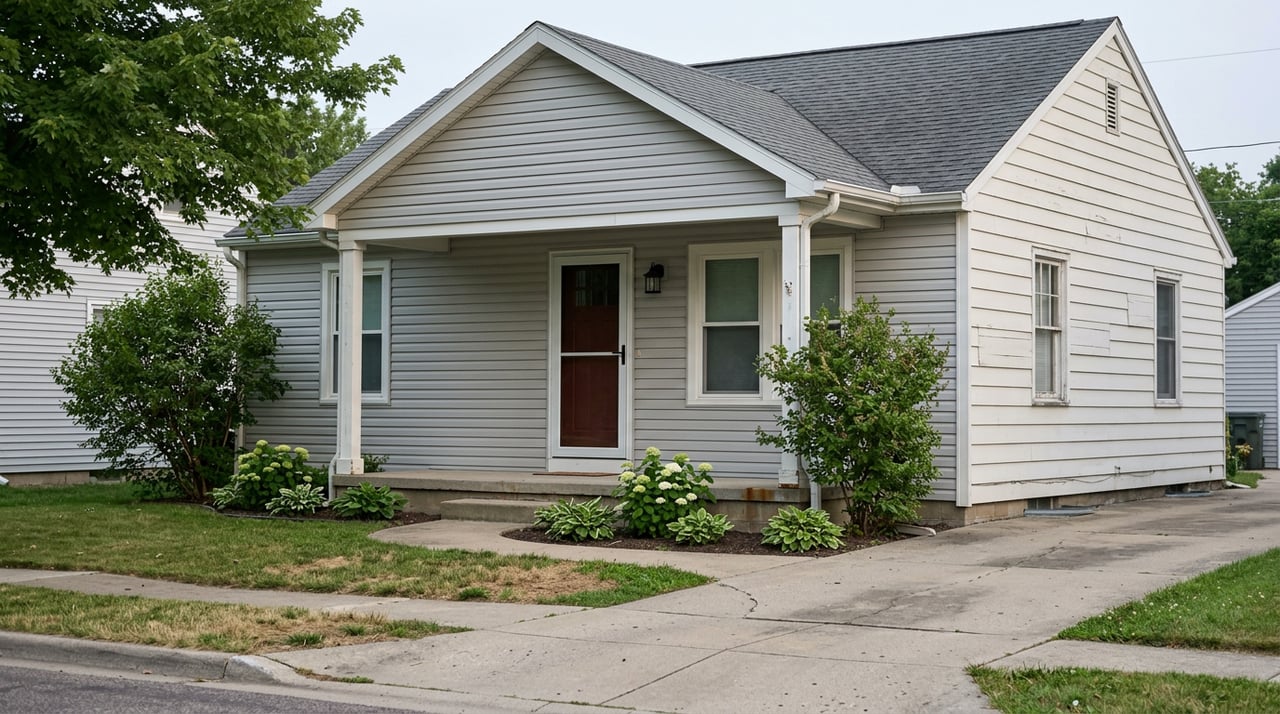
Thinking about buying in Gary but torn between a fixer-upper and a move-in-ready home? You are not alone. In a city with a wide range of prices and lots of older houses, both paths can make sense if you match them to your budget, time, and risk comfort. This guide gives you clear local context, realistic timelines, financing options, and simple steps to help you choose. Let’s dive in.
Gary market at a glance
Gary is known for affordability, but prices vary by neighborhood and block. Many homes were built in the early to mid-20th century, so you will see plenty of properties that need updates alongside renovated listings. According to the U.S. Census QuickFacts, owner-occupancy is roughly half of households and the median owner-occupied home value is under $100,000, which helps explain why fixer-uppers are common in the market. You can review local population and housing characteristics on U.S. Census QuickFacts for Gary.
Neighborhood differences matter. Areas near the lakeshore or active redevelopment tend to command higher prices and faster interest. In other pockets, prices and condition levels are more modest. Always focus on the street and the comparable homes around your target property rather than citywide averages.
Fixer-upper vs move-in-ready
Price and equity potential
- Fixer-upper: You often pay less up front and can create equity if you control renovation costs and scope. Many lower-price listings sell as-is, which can mean discounts along with unknowns.
- Move-in-ready: You pay closer to local comps for the convenience of newer systems, finished spaces, and faster occupancy. The premium buys you certainty.
Time and risk
- Fixer-upper: A cosmetic refresh can take weeks to a couple of months. Moderate projects that include some mechanical upgrades often run 3 to 6 months. Full gut rehabs are commonly longer than 6 months. Build a 10 to 25 percent buffer for delays caused by permits, inspections, or materials.
- Move-in-ready: You can close and move in quickly. Your main “projects” may be small personal updates after move-in.
Financing and carrying costs
- Move-in-ready homes are easier to finance with conventional loans and usually clear underwriting faster.
- Fixer-uppers may need renovation financing or cash. Two well-known renovation mortgages are the FHA 203(k) program and Fannie Mae HomeStyle Renovation. Both roll purchase and renovation into one loan but require extra documentation, contractor approvals, and appraisal of the after-repair value.
- While you renovate, plan for mortgage payments, property taxes, insurance, utilities, permits, and inspection fees. The City of Gary lists inspection fees (standard inspection and re-inspection) and contractor licensing rules on the Building Department page. Include these municipal costs in your budget.
Estimate your renovation budget
Getting the budget right is the difference between a win and a money pit. Use this simple flow.
1) Do smart pre-offer diligence
- Get a full home inspection. Typical inspections cost a few hundred dollars. Add a sewer scope, HVAC evaluation, and termite or pest check if signs point that way. These specialty tests can add a few hundred dollars.
- For homes built before 1978, plan for lead-safe work practices and possible testing. Ask contractors for EPA Renovation, Repair and Painting (RRP) certification. The EPA’s enforcement actions show why compliance matters for health and liability. See this example of EPA RRP enforcement.
- If you see materials that may contain asbestos, plan a small survey and follow licensed abatement protocols if needed.
2) Split the scope into “musts” and “nice-to-haves”
- Safety/structure/mechanical first: roof, foundation, electrical service, plumbing, HVAC, windows, and any water intrusion or mold issues.
- Cosmetics second: kitchens, baths, flooring, paint, lighting, exterior curb appeal.
- Get 2 to 3 written, itemized estimates for each trade and verify city-required licenses. You can confirm local rules and licensing through the City of Gary Building Department.
3) Use realistic cost bands
These are wide ranges, but they help you gut-check bids before you sign a contract.
- Cosmetic refresh (paint, trim, flooring, minor kitchen or bath surface updates): often in the low to mid five figures.
- Moderate rehab (some mechanical upgrades, a new kitchen and one or two baths, maybe roof or windows): commonly mid five figures up to the low six figures, depending on home size and material choices.
- Full gut or major systems replacement: frequently six figures for a typical single-family home.
On resale value, national cost-versus-value reports show that focused projects like roof replacement, minor kitchen upgrades, and curb appeal often recover more than luxury overhauls. Aim for durable, neutral finishes that fit the neighborhood.
4) Add soft costs and contingency
- Permits and inspections (review the fee schedule on the City of Gary Building Department site).
- Testing (lead, asbestos, soil where appropriate), design or architecture if you are moving walls, and lender fees if you use a renovation loan.
- Carrying costs during construction: mortgage, taxes, insurance, utilities, and trash or dumpster service.
- Contingency: 10 to 25 percent to handle surprises.
5) Plan for ARV when you finance renovations
If you use 203(k) or HomeStyle, your lender will appraise to the after-repair value. That means your contractor quotes, timeline, and materials must be well documented and realistic. You can find program details on FHA 203(k) and HomeStyle Renovation.
Permits, contractors, and safety in Gary
Renovating older homes takes the right team and paperwork.
- Permits and inspections: Gary requires permits for many trades and multiple inspections for permitted work. Fees for inspections and re-inspections are posted by the Building Department. Some homeowner permits are allowed, but higher-risk work must be done by licensed pros.
- Contractor checklist: verify the contractor’s city license and trade licenses, get proof of insurance, request an itemized contract with timeline and payment schedule, collect lien waivers with each draw, and secure final inspection sign-offs and warranties.
- Lead and asbestos: Pre-1978 homes require lead-safe work practices when disturbing painted surfaces. Suspected asbestos-containing materials should be tested and abated by licensed firms when required. The EPA’s RRP enforcement record underscores the importance of compliance.
- Environmental context: Parts of Northwest Indiana have a legacy of industrial uses. If you are near historic industrial corridors or waterways, talk to your inspector about soil or groundwater concerns. For background, review this overview of regional brownfields in the Grand Calumet area from the National Library of Medicine archive.
Financing options that work here
- FHA 203(k): Combines purchase and rehab in one FHA loan. There are limited and standard versions. Larger projects require a HUD consultant. Learn more on the FHA 203(k) page.
- Fannie Mae HomeStyle Renovation: A conventional alternative that can fit buyers who prefer conventional underwriting or need different loan limits. See HomeStyle Renovation details.
- Down payment help: The City promotes Hoosier Homes down payment assistance. Check basic eligibility and contact a participating lender early. Start with the city’s Hoosier Homes information.
- Research taxes and parcels: Before you write an offer, review tax history and parcel data on the Lake County property tax and parcel portal.
When a rehabbed listing is the smarter move
A recently renovated home from a reputable local rehabber can be a middle ground. You avoid a long construction project and still get an updated house at a price below new construction. This fit is strong when:
- You do not have time or appetite to manage multiple trades and permits.
- The property needs major mechanical or structural work that you are not comfortable overseeing.
- You want conventional financing without the extra steps of a renovation loan.
- You value a quick, predictable move-in timeline with documented permits and a clear scope of work.
Local example: Favela Homes acquires, renovates, and lists move-in-ready homes in Lake County. Their process bundles permitting and trades into a finished product. For a look at the typical steps in a Gary rehab, read this local guide on renovating Gary’s mid-century homes. Always ask any seller for permits, scope documentation, contractor info, warranty terms, and any environmental testing or abatement records.
How to choose what fits you
Use this quick filter to align your decision with your priorities.
- Choose a fixer-upper if: you need the lowest entry price, you have cash reserves and patience for a multi-month project, and you are comfortable managing contractors and permits.
- Choose move-in-ready if: you value certainty, want to move in quickly, and prefer simpler financing with limited immediate repairs.
- Choose a reputable rehabbed listing if: you want a renovated home without managing the rehab yourself, you need predictable timing, and you want documentation of the work.
Next steps for Gary buyers
- Clarify budget and timeline. Decide how long you can reasonably wait before move-in.
- Get pre-approved. If you are leaning fixer-upper, talk to lenders about 203(k) or HomeStyle now (not after you go under contract).
- Do your homework on the address. Pull the tax and parcel history on the Lake County portal.
- Conduct smart inspections. Order a full inspection plus at least one specialty test (sewer scope, lead for pre-1978 homes, or termite, based on the property).
- Confirm permitting and contractor requirements. Review rules and fees at the City of Gary Building Department.
- Explore down payment assistance. See basic details on Hoosier Homes and ask a participating lender about stacking with state programs.
- Prefer turnkey with documentation. Review a local rehab guide to see what quality looks like, such as Favela Homes’ permitting-to-punch-list overview.
If you want straightforward advice on whether a fixer or a turnkey home makes more sense for your situation, our local team is here to help. Explore available renovated listings, talk through financing options, or request a quick, no-pressure consult. Connect with Favela Homes to get started. Se habla español.
FAQs
What should first-time buyers in Gary know about fixer-uppers?
- Older housing is common, so plan for inspections that target roofs, electrical service, plumbing, HVAC, and potential lead or asbestos. Budget a 10 to 25 percent contingency for surprises and confirm permit needs with the City of Gary.
How long does a typical Gary renovation take before move-in?
- Cosmetic updates can be weeks to a couple of months, moderate projects often run 3 to 6 months, and full gut rehabs commonly exceed 6 months. Availability of contractors and permits can extend timelines.
Which loans help finance a Gary fixer-upper purchase and rehab?
- FHA 203(k) and Fannie Mae HomeStyle Renovation both combine purchase and rehab into one loan. They require extra documentation, approved contractors, and an appraisal of the after-repair value.
What local fees and rules affect my renovation budget in Gary?
- Expect permit and inspection fees, re-inspection fees if needed, and licensing requirements for many trades. The City posts current fees and rules on the Building Department site, so confirm before you bid work.
Are there environmental concerns I should consider when buying in Gary, IN?
- Some areas of Northwest Indiana have legacy industrial uses. Ask your inspector about site history and whether any soil or environmental checks make sense. Lead-safe and asbestos-safe practices are essential in pre-1978 homes.
Can I get down payment assistance when buying in Gary?
- The City participates in Hoosier Homes down payment assistance. Check basic eligibility on the city site and speak with a participating lender early to see what you may qualify for.