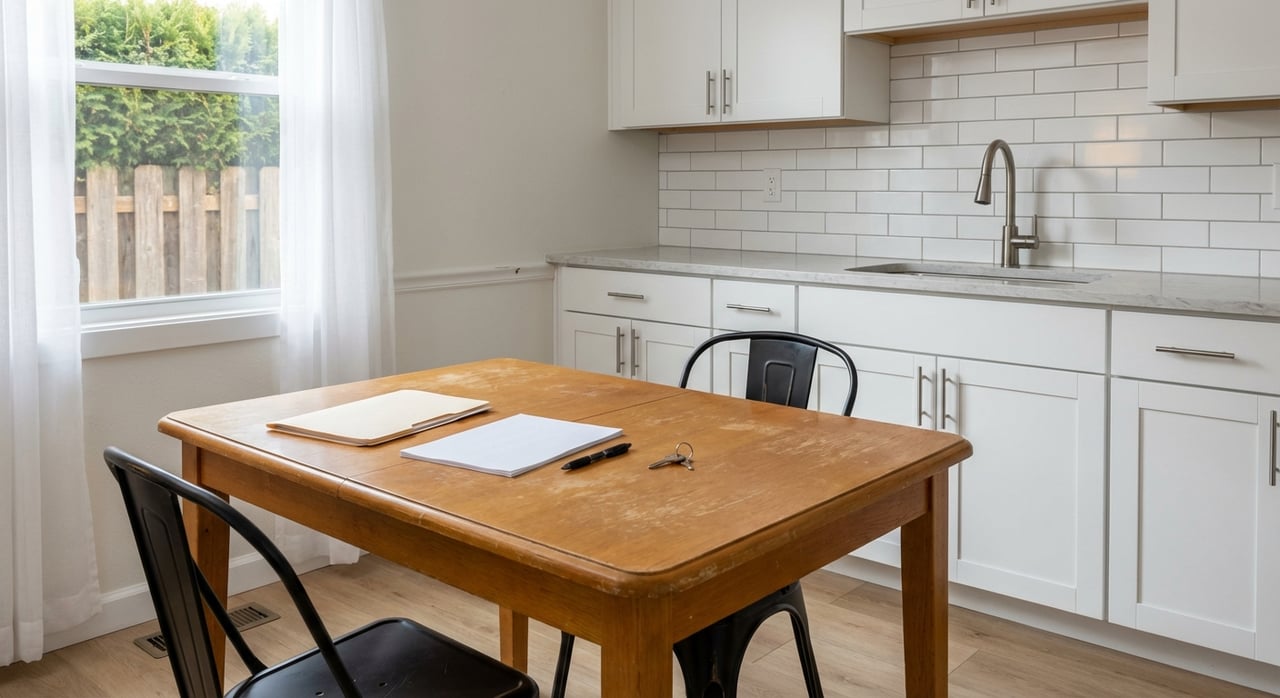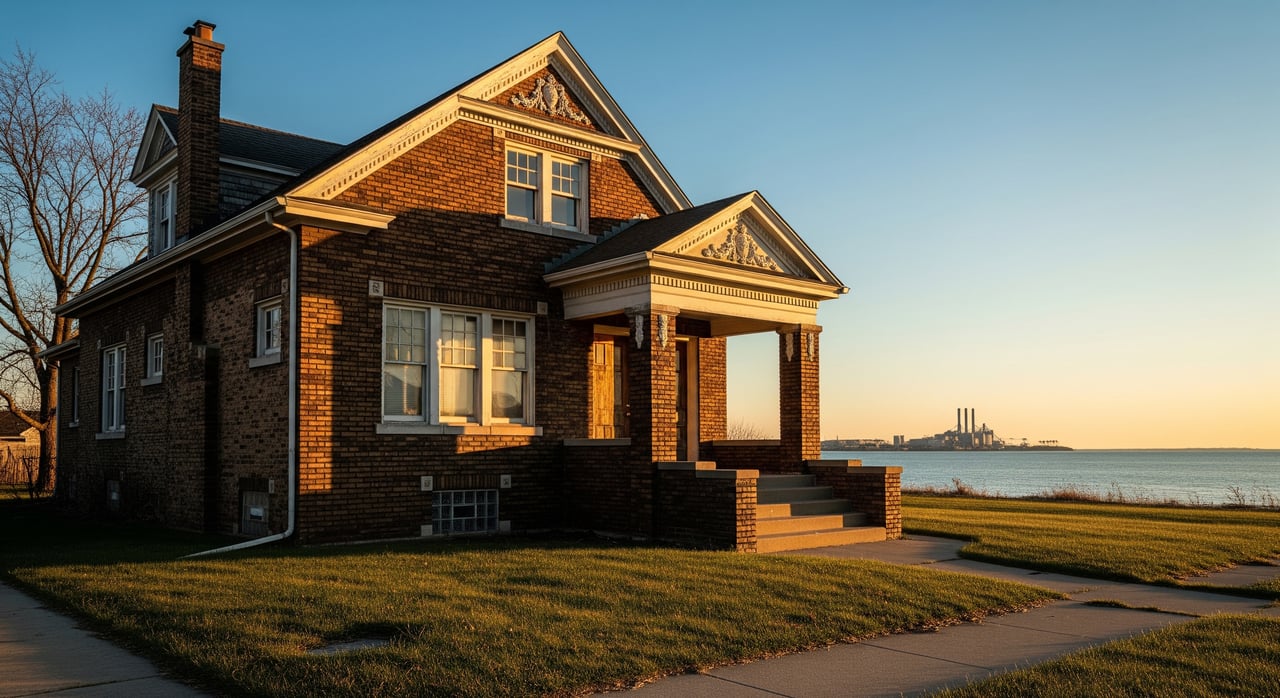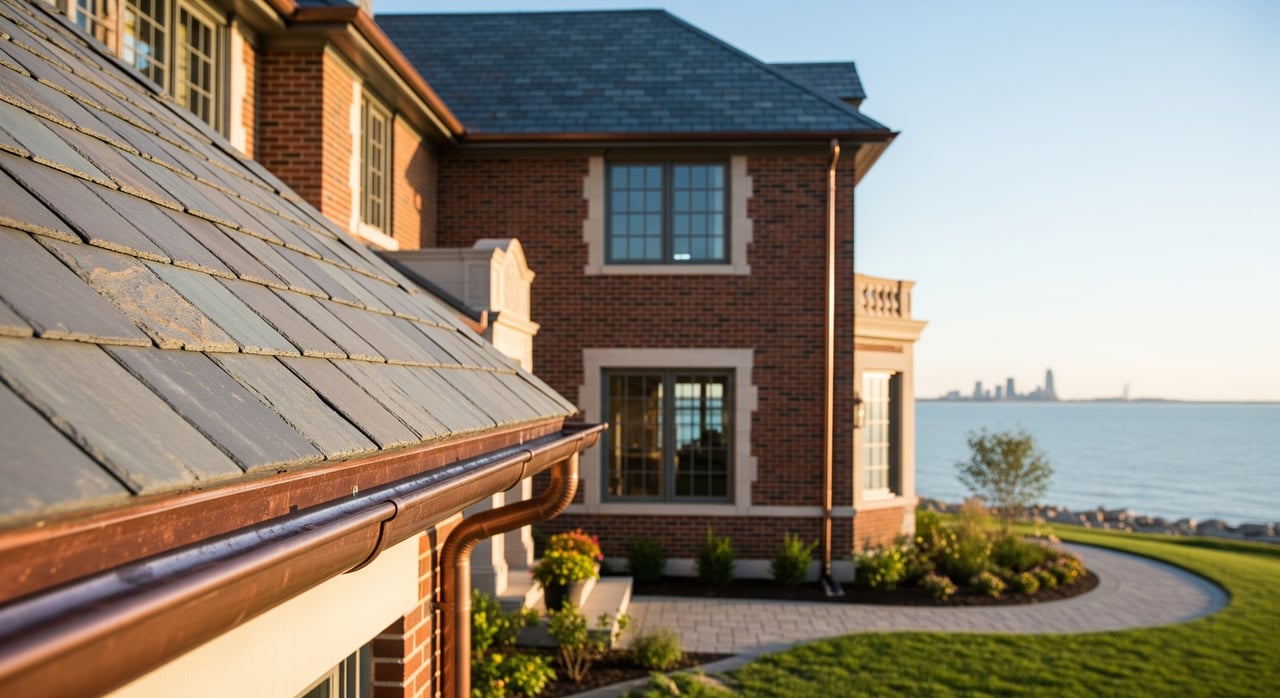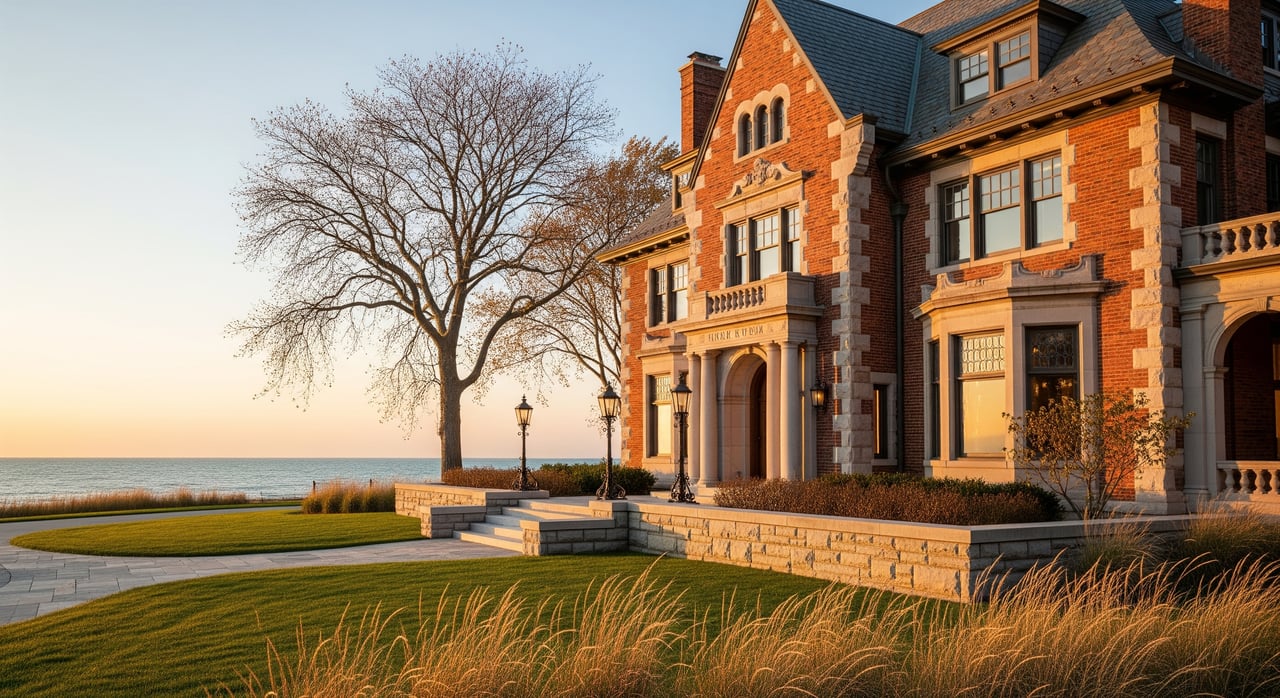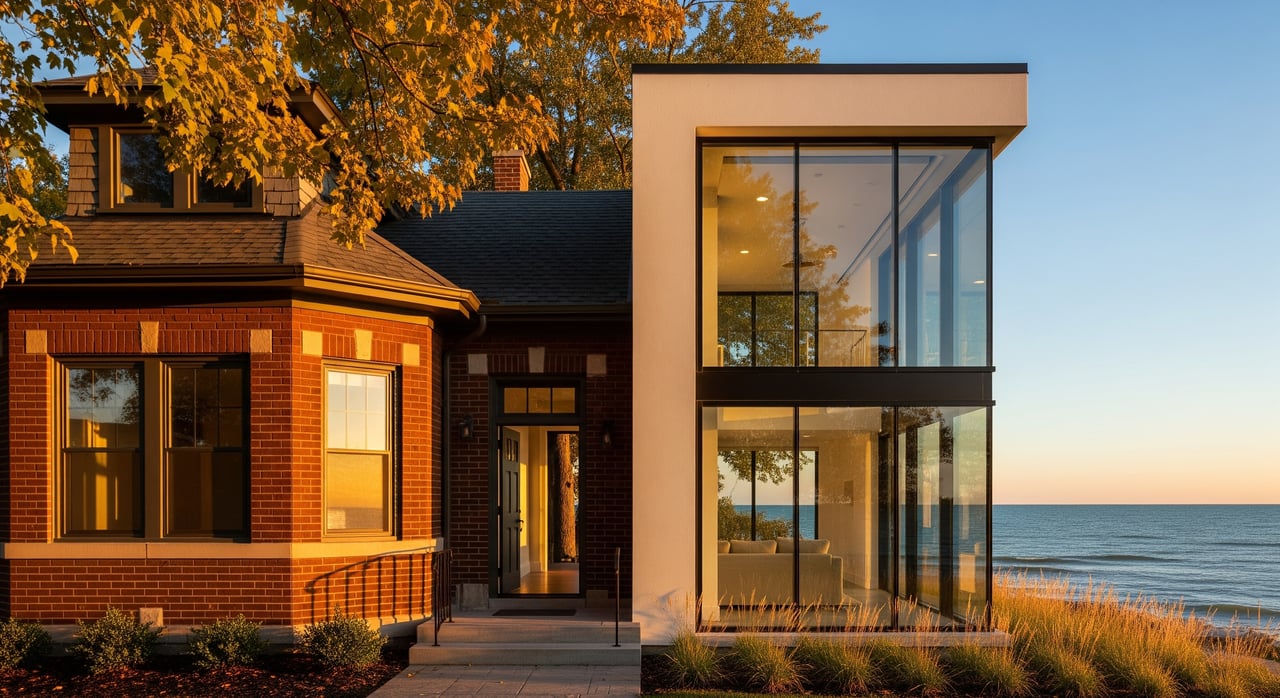
Thinking about a move-in-ready home in Gary but torn between a renovated property and a brand-new build? You are not alone. Gary’s housing mix includes many older homes alongside a smaller number of new construction options, and both paths can work well for families. In this guide, you will learn the real pros and cons for each, how financing and timelines differ, and what to check before you choose. Let’s dive in.
Gary market snapshot for move-in-ready buyers
Gary has a large stock of older homes from the late 19th through mid-20th century, so renovated options are common. New builds exist, but they tend to be fewer and located where available lots and infrastructure allow. Micro-markets matter a lot. Conditions can vary by block, so pay close attention to the immediate street, nearby vacancies, and access to services.
Location factors that influence demand and resale include access to I-90 and I-80, commuting time to Chicago, proximity to Lake Michigan, and local amenities. When you compare properties, factor in not just the home, but also the surrounding block and daily-life convenience.
Renovated homes in Gary: pros and cons
Renovated pros
- Lower upfront price potential. You often pay less per square foot compared to new construction, especially when the renovation leverages an existing lot in an established area.
- Character and lot size. Older homes may offer hardwoods, millwork, and larger lots that you might not find in newer builds.
- Faster move-in. A completed renovation with final inspections can allow a quicker close than building from scratch.
Renovated cons
- Quality varies. Cosmetic flips can look great but skip major systems. Always verify the age and condition of the roof, HVAC, electrical panel, plumbing, and insulation.
- Permits and documentation. Unpermitted work can create appraisal, insurance, and financing issues. You need proof of permits, inspections, and receipts for major work.
- Hidden risks. Older Gary homes may have lead paint, asbestos, or outdated materials. Remediation affects cost and timing, so check documentation and hire an independent inspector.
- Tax changes. Significant rehab can trigger reassessment, which may affect future property taxes.
New construction in Gary: pros and cons
New build pros
- Modern systems and layouts. New homes follow current code and typically include energy-efficient windows, insulation, and open floor plans.
- Predictable warranties. Builders often provide a 1-year workmanship warranty, multi-year systems coverage, and a structural warranty. Details vary, so always review written terms.
- Lower immediate maintenance. With brand-new systems and materials, you can focus on living, not fixing.
New build cons
- Higher total price. You typically pay for land, infrastructure, and builder margins, so the total price per square foot can be higher.
- Longer timeline. From contract to close, most builds take several months. Weather, supply-chain issues, or permitting can add time.
- Location limits. New builds may cluster where lots and utilities are available, which can narrow your neighborhood choices. Landscaping and exterior extras may be minimal at delivery.
Cost, financing, and appraisal basics
Your total cost depends on land, materials, labor, and soft costs such as permits and inspections. Renovated homes may look less expensive upfront, while new builds can reduce operating costs with energy-efficient systems.
Financing depends on the property:
- Renovated or existing homes: Conventional, FHA, and VA loans are common if the home meets minimum property standards. If the home still needs work, consider renovation loans such as FHA 203(k) or Fannie Mae HomeStyle Renovation, which bundle improvement funds into the mortgage.
- New construction: Builders sometimes offer financing, but many buyers use a construction-to-permanent loan that converts to a standard mortgage upon completion. Lenders will review your budget, schedule, and the home’s projected value.
Appraisals can be tricky when documentation is missing. Renovations without permits can derail underwriting. New builds appraise based on plans and comparable sales, so the availability of comparable new homes in the area matters.
Timing and move-in readiness
- Renovations: Completed investor renovations can close in a matter of weeks once inspections and permits are final. Buyer-directed renovations take longer due to planning and contracting.
- Major gut rehabs: Expect several months or more, especially if structural changes or extensive systems upgrades are involved.
- New builds: A typical production build might run 6 to 12 months depending on scope, weather, and supply availability.
Regardless of the path, schedule independent inspections. For renovated homes, consider specialists for roofing, structural components, HVAC, and environmental hazards. For new builds, ask about phased inspections during framing, rough-in, and final sign-off.
Health and environmental checks in older Gary homes
Many pre-1978 homes may contain lead-based paint. You should request lead testing and any abatement records. Some older properties may have asbestos or outdated insulation that requires professional remediation.
Also review flood and drainage risks. Check whether the property sits in a low-lying area or near industrial corridors where drainage can vary by block. Confirm sewer connections and any known local infrastructure considerations before you commit.
What warranties really cover
- New construction: You can usually expect a clear warranty package, such as 1-year workmanship, 2 to 3 years on systems, and a longer structural warranty. Ask for a written warranty booklet and know exactly what is covered and for how long.
- Renovated homes: Warranties vary. Some investors offer limited coverage on certain systems, while others offer none. Request contractor warranties, manufacturer warranties on new appliances or mechanicals, and all permit sign-offs. The more documentation you receive, the better your protection.
How to evaluate a renovator’s inventory in Gary
When you tour renovated listings, use a consistent checklist so you can compare apples to apples with new builds. Ask the seller or listing agent for:
- Documentation completeness: Permits and final inspection reports for major work, itemized scope of work, invoices for systems, and any transferable warranties.
- Quality evidence: Before-and-after photos of kitchens, baths, roof, mechanicals, and foundation, plus the names and licenses of subcontractors.
- Third-party verification: An independent inspection report after renovations, and any specialized reports such as structural, HVAC, pest, or mold.
- Pricing transparency: A clear list of what was replaced or upgraded, with the approximate age of any remaining systems.
- Comparable sales and context: Recent, nearby comps for similar renovated properties, and a summary of neighborhood context on the immediate block.
- Post-sale support: Ask whether there is a walk-through window after closing and a contact for punch-list items.
These items help you quickly determine if the renovation is thorough or mostly cosmetic.
Decision guide: which is right for you?
- Fast move-in, minimal renovation risk: Choose a completed, well-documented renovation with clean inspections and permits. If documentation is weak, lean toward a new build.
- Brand-new systems and modern layout: Pick new construction if your budget and timeline allow.
- Lower price and possible larger lot or character: Go with a high-quality renovated home in a stable block, but insist on rigorous due diligence.
- Predictable warranty coverage: New construction usually provides the clearest warranty package.
Due diligence checklists
For renovated homes
- Confirm permits and final municipal sign-offs for structural, electrical, plumbing, and HVAC work.
- Request contractor licenses, proof of insurance, lien releases, warranties, and receipts.
- Hire an independent inspector and review system ages and expected remaining life.
- Ask for lead, asbestos, or mold testing and any remediation records.
- Verify no outstanding mechanic’s liens and confirm the appraisal will reflect the renovated condition.
For new construction
- Review builder references, sample warranty documents, and a fixed-price contract with a clear change-order process.
- Confirm schedule, payment draw schedule, and any holdbacks or escrow protections.
- Request phased inspections and verify code compliance at each stage.
- Check utility hookups, sewer or septic details, and any HOA rules.
- Document energy specs such as insulation R-values, HVAC efficiency, and window ratings.
- Understand your lender’s construction-to-permanent process and appraisal milestones.
Neighborhood and resale factors to weigh
Because Gary is a block-by-block market, resale depends on more than the home itself. Look at nearby vacancies, property maintenance on the street, access to highways, and local services. New builds can attract buyers who value low maintenance and modern layouts, while quality renovations in established areas can perform well because of lot size and character.
Poorly executed renovations can hurt resale due to hidden issues or lack of permits. A thorough paper trail, clean inspections, and visible quality help protect your long-term value.
Work with a local team that knows both
Choosing between a renovated home and a new build in Gary is easier when you have local guidance. You need a partner who understands block-level trends, renovation quality, and builder warranty details. If you want renovated options, buyer representation, or help weighing a new-build path, connect with the team at Favela Homes. We are local, bilingual, and ready to help you compare costs, timelines, and risks with clarity.
FAQs
What should Gary buyers verify on a renovated home before closing?
- Ask for permits and final inspections, contractor and warranty paperwork, independent inspection reports, and evidence of any environmental remediation.
Which financing fits a Gary new build versus a renovated home?
- Renovated homes often use conventional, FHA, or VA loans; new builds commonly use construction-to-permanent loans that convert to a mortgage at completion.
How long does it take to move into a renovated home in Gary?
- If the renovation is complete and permitted, you may close in weeks; buyer-directed or major gut rehabs can take several months or longer.
What warranties are standard on new construction around Gary?
- Many builders offer a 1-year workmanship warranty, multi-year systems coverage, and a longer structural warranty, but you should review written terms for specifics.
Are older Gary homes likely to have lead or asbestos?
- Many pre-1978 homes may contain lead paint, and some may have asbestos; you should request testing documentation and any licensed abatement records.
How do block-level conditions affect resale in Gary?
- Nearby vacancies, property upkeep, and access to highways and services can significantly impact demand and value, so evaluate the immediate street carefully.