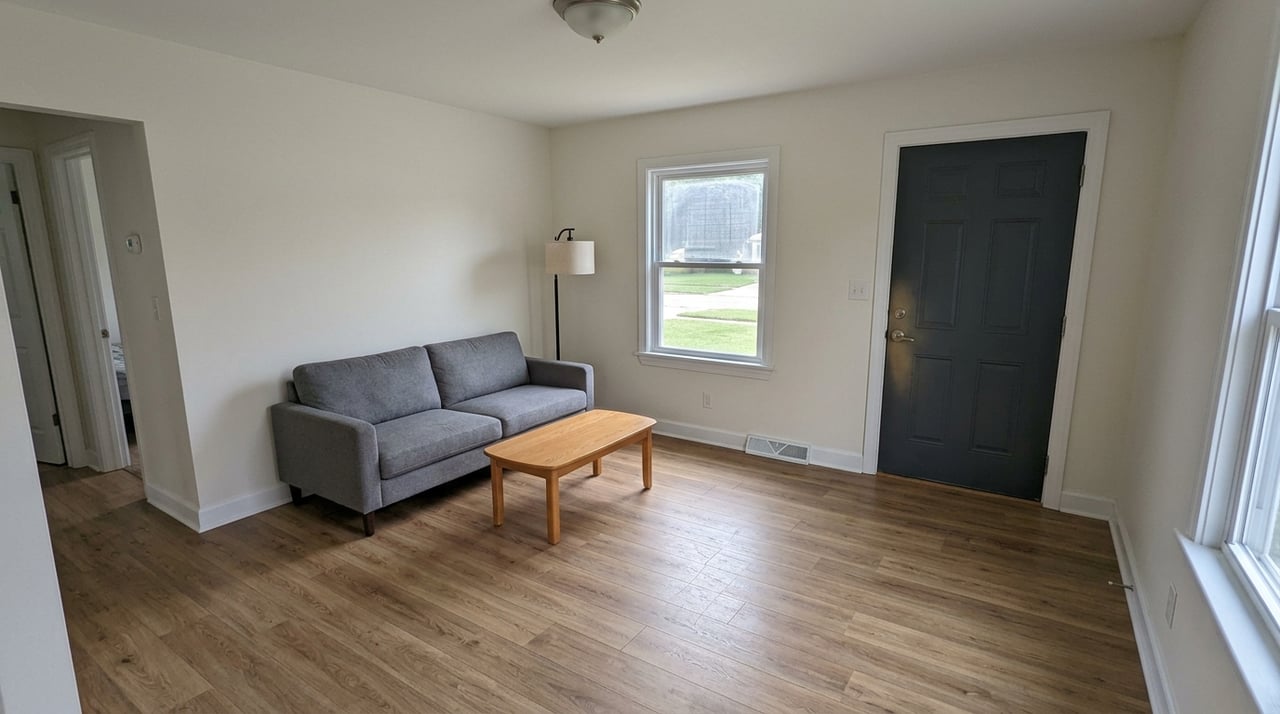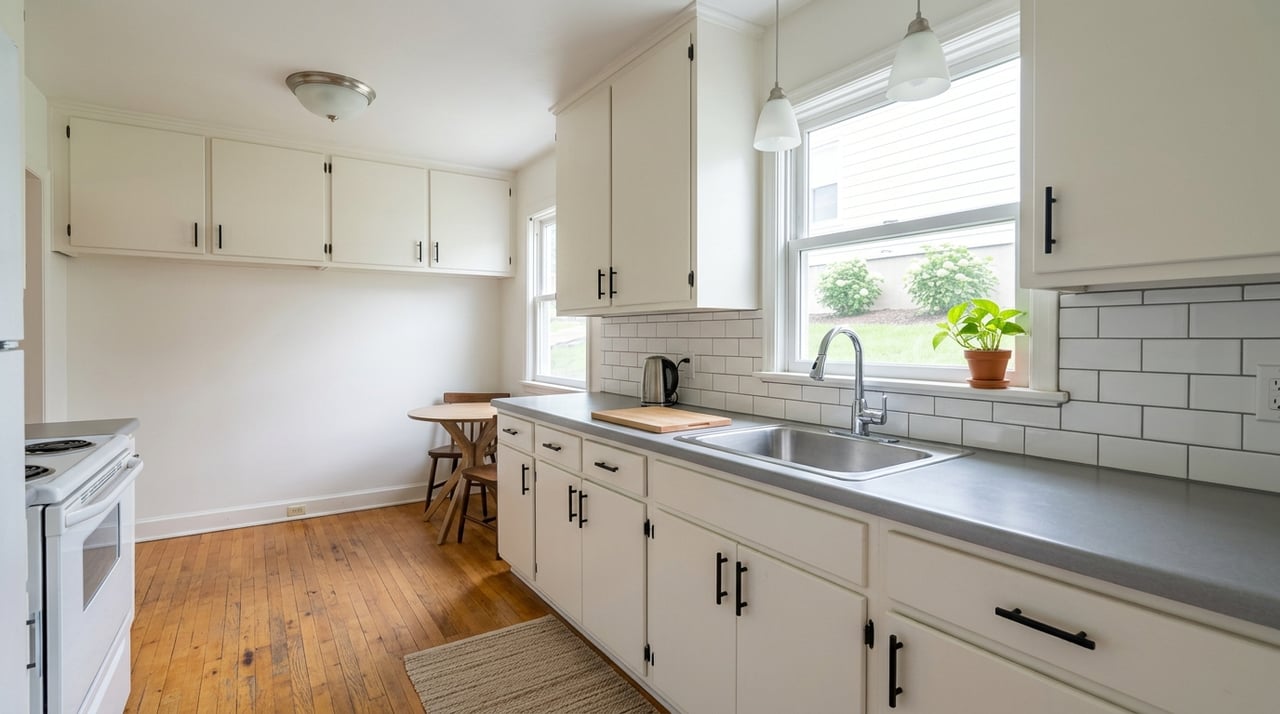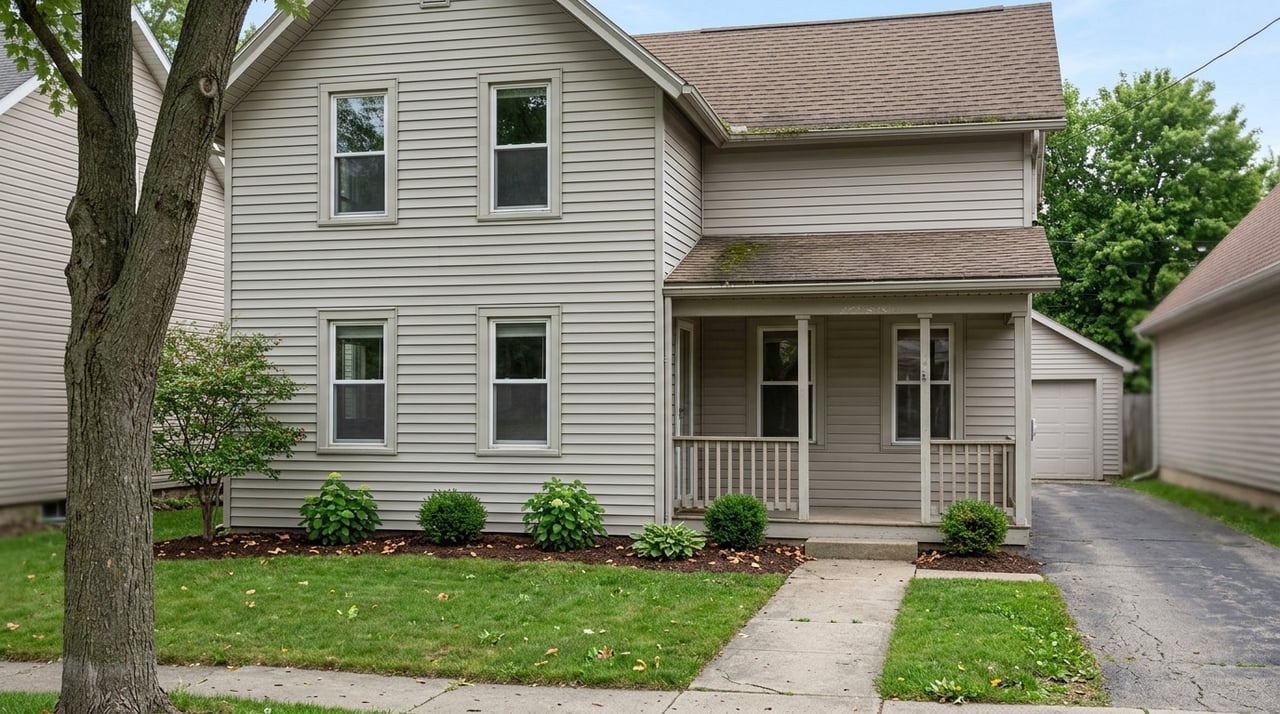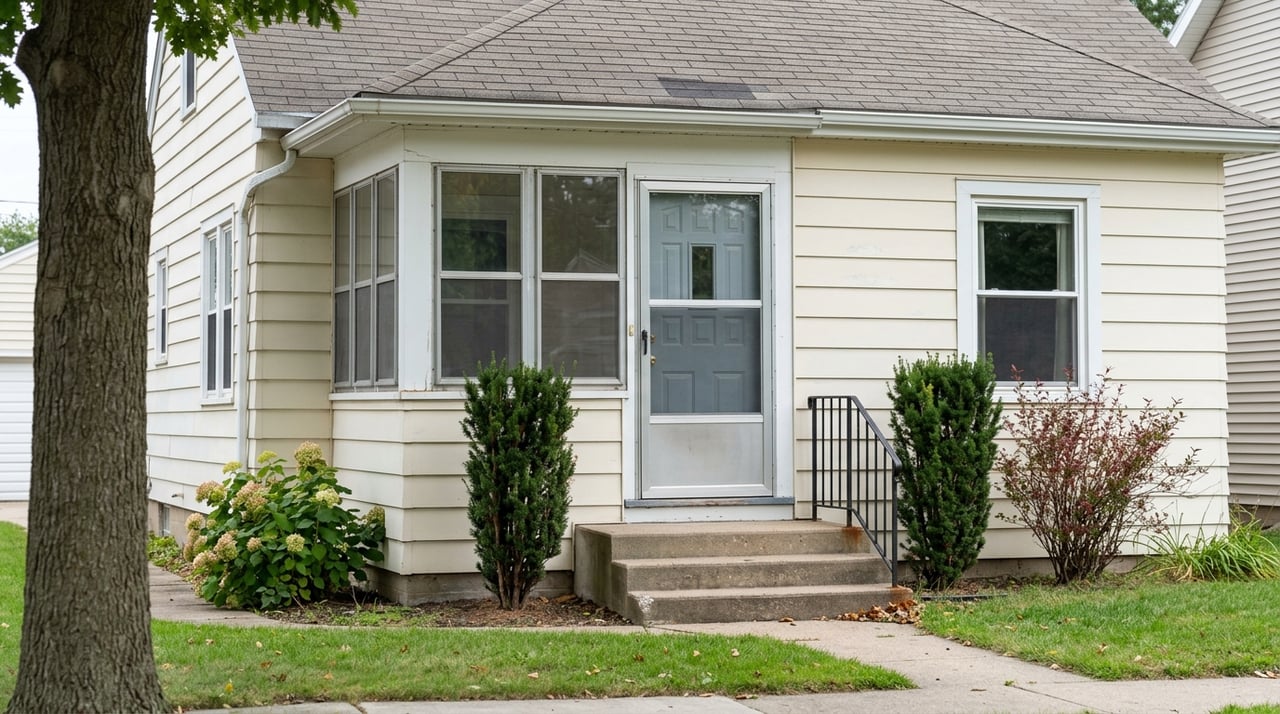
Losing a loved one is hard enough without having to figure out what to do with their house next. If you inherited a home in Gary, you may be dealing with paperwork, family decisions, repair questions, and a timeline you did not ask for. The good news is that you do have options, and understanding the local process can help you move forward with more confidence. Let’s dive in.
Start With Legal Authority
Before you think about listing the house or accepting an offer, you need to know who has the legal authority to act. If the property is part of a probate estate, that usually means confirming whether probate has already been opened and whether a personal representative has been appointed.
In Lake County, the Circuit Court includes a probate division, and local rules require specific probate forms before appointment and issuance of letters. Indiana law also provides a path for a personal representative to petition to sell real property belonging to the estate. If more than one heir is involved, it helps to agree early on who will handle communication with the court, title company, and potential buyer.
Understand Indiana Inheritance Tax and Capital Gains
One of the first questions many families ask is whether they will owe inheritance tax. In Indiana, the answer is straightforward. Indiana no longer has an inheritance tax, and the Indiana Department of Revenue says no inheritance tax is owed in the state.
That does not automatically mean there are no tax issues at all. For federal income tax purposes, inherited property generally receives a step-up in basis to the fair market value on the date of death, or an alternate valuation date if that was elected on a federal estate tax return. If the house sells for more than that basis, the excess is generally a taxable gain reported on Schedule D and Form 8949.
Because tax situations can vary, it is smart to talk with a tax professional before you sell. That matters even more if the home has increased in value, produced rental income, or is being sold well after the date it was inherited.
Gather the Documents Early
A smoother sale usually starts with better paperwork. As soon as you can, pull together the records that will affect pricing, title work, and closing.
Key documents often include:
- Death certificate
- Will or estate paperwork
- Title documents or prior deed information
- Mortgage statements, if any
- Current property tax status
- Utility account information
Lake County offers property tax search resources through the Treasurer, and the Recorder maintains deeds, mortgages, liens, releases, leases, and related land records. Checking these records early can help you avoid delays later.
Check Property Taxes Right Away
Unpaid property taxes can create real timing issues when you are trying to sell an inherited house in Gary. Lake County Treasurer resources allow owners to search tax records, and parcels with a balance due from the prior year’s spring installment can become eligible for the county tax sale.
That is why this step should happen near the top of your list. If taxes are behind, you will want to understand the balance and timeline as early as possible so the estate does not lose time dealing with a preventable problem.
Review Title and Recorded Documents
Inherited properties sometimes come with title issues that no one knew about. There may be an old mortgage release that was never recorded, a lien that needs review, or deed questions that need to be cleared up before closing.
In Lake County, the Recorder is the office that records and preserves deeds, mortgages, liens, releases, leases, and similar land records. That makes title review and deed recording a central part of selling an inherited home in Gary.
Compare Your Three Main Options
Once you know who can act and what shape the property is in, the next step is deciding how you want to handle the house. In most cases, heirs in Gary are choosing between three practical paths.
Sell As Is for Cash
If the house needs work, has been sitting vacant, or the family wants a simpler process, selling as is for cash can be the lowest-friction option. This approach can make sense when you want to avoid repairs, cleanup coordination, or months of back-and-forth.
It can also be useful when multiple heirs want a faster resolution. Favela Homes focuses on fast, low-friction purchases for houses in any condition, which can be a practical fit when speed and certainty matter more than preparing the home for the open market.
Make Light Repairs and List Traditionally
If the home is in mostly solid shape, making a few updates and listing it traditionally may offer more upside. This route may work best when the property shows well, the family has time, and everyone is comfortable managing prep work.
In Gary, though, even small projects should be checked against local building rules before work begins. The city says permits are required for many alterations and some repairs, permits are required for electrical and plumbing fixture work, and inspections may be required for certain work.
Rent the House Temporarily
Some families are not ready to sell right away and consider renting the property while they decide. That can create short-term income, but it also adds compliance and management responsibilities.
Gary has a residential rental registration and inspection program with annual renewal and fines for noncompliance. For tax purposes, the IRS says rental income and expenses are generally reported on Schedule E, and ordinary expenses such as maintenance, insurance, taxes, and interest are often deductible when the property is rented for profit.
Gary Rules That Can Affect Repairs
If you are thinking about fixing up the home before selling, local permit and inspection rules matter. In Gary, permits are required for many alterations and certain repairs, and contractors generally must be licensed with the city.
The city also requires inspections for certain work and may charge re-inspection fees if inspections are failed or missed. That means even a modest pre-sale update plan should be organized carefully so you do not lose time or spend money on work that creates new delays.
Utility Shutoffs Can Slow Things Down
Vacant inherited homes often have disconnected utilities. That may not seem like a major issue at first, but it can affect repairs, inspections, showings, and your timeline to get the property market-ready.
Gary states that if utilities have been disconnected for 90 days or more, an inspection is required before NIPSCO service can be restored. If the home has been vacant for a while, checking utility status early can help you avoid surprises.
How to Choose the Best Path
There is no single right answer for every inherited house in Gary. The best option usually depends on three things: the property’s condition, your timeline, and how well the heirs agree on next steps.
Here is a simple way to compare the main choices:
| Option | Best for | Main tradeoff |
|---|---|---|
| Sell as is for cash | Homes needing work, fast timelines, simple resolution | May trade some price for speed and convenience |
| Light repairs and list | Homes in mostly sound condition with time to prepare | Requires coordination, possible permits, and inspections |
| Rent temporarily | Families wanting short-term cash flow while deciding | Adds rental registration, inspections, and ongoing management |
If the house needs major work, if family members live out of town, or if you want to avoid permit and contractor issues, an as-is sale may be the most practical. If the house is clean, functional, and close to market-ready, a traditional listing may be worth exploring.
A Simple Next-Step Checklist
When you feel overwhelmed, it helps to break the process into smaller steps. Start here:
- Confirm whether probate is open and who has authority to act.
- Gather estate paperwork, title records, mortgage details, and tax information.
- Check Lake County property tax status right away.
- Review whether there are title issues or recorded liens.
- Inspect the property’s condition, including utility status.
- Compare selling as is, making light repairs, or renting temporarily.
- Speak with an attorney and tax professional before signing documents.
This kind of step-by-step approach can reduce delays and help your family make a decision based on facts rather than stress.
If you inherited a house in Gary and want a practical path forward, Favela Homes can help you look at your options with a local perspective. Whether you want a fast, as-is sale or want to explore what the property might look like on the market, the team can help you think through the next move. To start the conversation, reach out to Favela Homes.
FAQs
What is the first step when selling an inherited house in Gary?
- The first step is confirming who has legal authority to act, including whether probate is open and whether a personal representative has been appointed.
Does Indiana charge inheritance tax on an inherited house?
- No. Indiana no longer has an inheritance tax, and the Indiana Department of Revenue says no inheritance tax is owed in the state.
Can heirs sell a Gary house as is without making repairs?
- Yes, many inherited homes are sold as is, especially when the property needs work or the heirs want a faster, lower-friction sale.
Do repairs on an inherited house in Gary require permits?
- Many alterations and some repairs do require permits in Gary, including electrical and plumbing fixture work, so local building rules should be checked before work starts.
What happens if property taxes are behind on an inherited house in Lake County?
- Delinquent taxes can affect your timeline because parcels with qualifying unpaid balances can become eligible for the county tax sale, so tax status should be checked early.
Can you rent out an inherited house in Gary before deciding to sell?
- Yes, but Gary has a residential rental registration and inspection program with annual renewal and fines for noncompliance, so you should review those requirements first.
Why do utilities matter when selling an inherited house in Gary?
- If utilities have been disconnected for 90 days or more, Gary requires an inspection before NIPSCO service can be restored, which can affect repairs, showings, and move-in readiness.