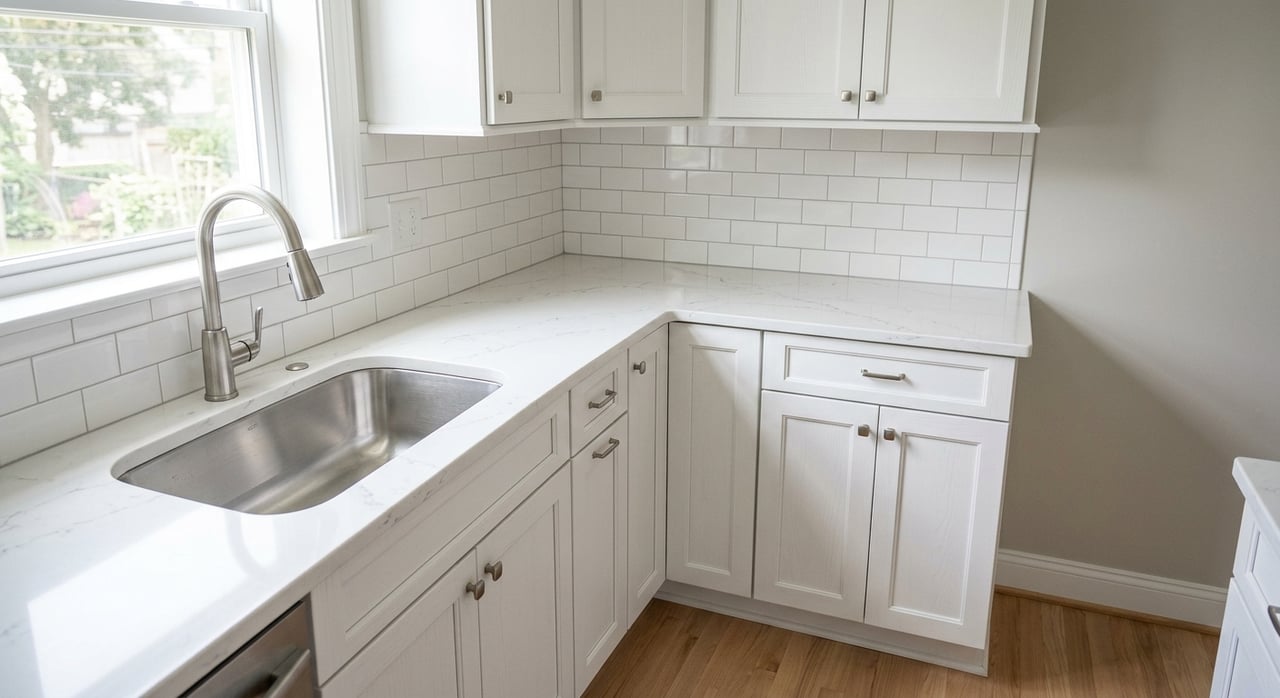
Are renovated homes in Gary a smart investment, or a fast way to overpay for a pretty flip? If you are looking at turnkey properties in this market, that question matters more than ever because Gary has a wide pricing spread, modest home values, and plenty of variation from one area to the next. The good news is that with the right checklist, you can separate solid rehabs from surface-level updates and make decisions with more confidence. Let’s dive in.
Gary Market Basics
Gary is a relatively low-price market, but it is not a simple one. As of April 2026, Realtor.com reported 437 homes for sale, 102 homes for rent, a median listing price of $135,000, a median sold price of $97,000, and a median of 49 days on market. Homes were also selling at about 96% of asking price on average, which means buyers were often getting a discount from list price.
The Northwest Indiana REALTORS Association MLS adds more context. In March 2026, the median sales price was $91,000, the average sales price was $116,677, and inventory stood at 3.7 months. For you as an investor, that points to a market where deals can work, but your numbers need to be disciplined.
Gary also has major variation by neighborhood. Realtor.com shows median listing prices from about $34,750 in Midtown to $294,900 in Miller. That means a renovated home can look attractive at first glance and still be overpriced for its exact location.
Why Block-Level Analysis Matters
Citywide averages can mislead you in Gary. A rehab that seems affordable compared with the city’s median list price may still sit well above nearby comparable sales. That is why your underwriting should focus on the immediate submarket, the block, and recent nearby sales instead of broad city numbers.
Location still matters for demand. Gary is about 25 miles from downtown Chicago and next to Indiana Dunes National Park, according to the city. Those factors can shape how you think about commuter appeal, convenience, and lifestyle-driven demand when comparing properties.
The city’s 2025 comprehensive plan update also emphasizes neighborhood stability, growth, quality of life, and long-term success. For investors, that supports a practical approach: prioritize renovated homes that fit the area and hold up over time rather than properties dressed up only for a quick sale.
What to Check at the Showing
When you walk a renovated home, start with the items that are expensive to correct later. In Gary, that usually means the roof, gutters, windows, siding, foundation, visible water staining, HVAC age, electrical panel work, plumbing shutoffs, and bathroom waterproofing. In a market where many homes trade around the low six figures or below, strong mechanicals and a sound exterior matter more than flashy finishes.
You should also watch for signs of rushed cosmetic work. Fresh paint, new flooring, and updated fixtures can look great in photos, but they do not tell you whether the rehabber addressed hidden issues. If you notice uneven flooring, patched ceilings, poor trim work, loose fixtures, or mismatched materials, slow down and dig deeper.
Layout matters too. In many Gary submarkets, preserving practical bedroom count, storage, and easy room flow is often more valuable than dramatic changes that reduce usable space. A renovation should support the price point of the area, not fight against it.
Focus on Mechanicals First
A good investor tour starts with the basics:
- Roof condition and signs of recent leaks
- Gutter drainage and water direction away from the home
- Window condition and installation quality
- HVAC age and visible installation quality
- Electrical panel updates and labeling
- Plumbing shutoffs and visible supply line work
- Foundation cracks or signs of movement
- Bathroom waterproofing and ventilation
If these items check out, the rest of the renovation becomes easier to trust. If they do not, the new countertops may not matter much.
Watch for Cosmetic Shortcuts
Surface-level rehabs can hide expensive problems. During a showing, keep an eye out for:
- New finishes covering old damage
- Paint over water stains or damaged trim
- Flooring changes that do not address uneven subfloors
- Cheap fixtures paired with no visible system upgrades
- Inconsistent workmanship from room to room
These are not automatic deal breakers, but they are signals to ask better questions and verify the work more carefully.
Permits and Records in Gary
In Gary, permits are required for new construction, alterations, some repairs, and installation of electrical and plumbing fixtures. The city also states that contractors and subcontractors must be licensed with the city, inspections must be scheduled 24 to 72 hours in advance, and failed or missed inspections trigger a $100 reinspection fee. The city also requires several trade inspections during construction and asks for a certificate of completion at the end of the work.
That process gives you a clear due-diligence path. Before you buy, ask for permit numbers, trade sign-offs, inspection approvals, and final completion paperwork. Clean documentation can tell you a lot about the quality and legitimacy of the rehab.
If the seller or rehabber cannot produce those records, treat that as a risk signal. Missing paperwork can mean unpermitted work, hidden defects, or future disclosure issues when you resell or rent the property.
Ask for These Documents
When evaluating a renovated Gary property, request:
- Permit numbers for the completed work
- Inspection approvals for each trade, if applicable
- Final completion paperwork or certificate of completion
- Contractor information and licensing status
- Any available records for major repairs like roofing, plumbing, electrical, or foundation work
The more complete the paper trail, the easier it is to underwrite the property with confidence.
Questions to Ask Before You Buy
A showing should not end with, “It looks good.” It should end with answers that help you measure risk, resale potential, and future maintenance.
Start with the scope of work. Ask what was actually replaced and what was left in place. A home that received new cabinets and paint is very different from one that also had major system upgrades.
Then ask about code compliance and legal use. If you plan to hold the property as a rental or use it in a way that depends on zoning, you need to confirm that the intended use matches the parcel’s zoning classification.
Smart Investor Questions
Use questions like these during your diligence process:
- What work was permitted, and can you show the permit history and final inspection approvals?
- Which contractor completed the work, and was that contractor licensed by Gary or accepted through the city’s reciprocity process?
- Were hidden systems replaced, such as wiring, plumbing supply lines, roof decking, sewer line components, or foundation elements?
- Does the intended use match zoning, and is there any variance or special approval in place if needed?
- If the property will be a rental, is it properly registered with the city’s rental registration and inspection program?
Gary’s rental registration and inspection program also matters if you plan to hold the property. Annual renewal runs from January 1 to March 30, late fees are $25 per property, and noncompliance can lead to fines starting at $250.
Lead Safety for Older Homes
If the home was built before 1978, lead safety should be part of your review. EPA rules state that paid renovation, repair, or painting work that disturbs painted surfaces in pre-1978 housing must be done by certified firms using lead-safe work practices. That is especially relevant in older housing stock.
You should also confirm whether lead-based paint disclosures were completed. EPA requires disclosure of known lead hazards before most sales or leases of pre-1978 housing. If an investor plans to resell or lease the home, this is not a detail to gloss over.
How to Underwrite Resale Potential
Gary’s resale market is workable, but it is not forgiving. With a median listing price of $135,000, a median sold price of $97,000, and homes selling below asking on average, pricing discipline matters. A property can be renovated well and still miss the market if the asking price overshoots nearby comps.
This is where many investors get into trouble. They assume a renovated property should command a premium simply because it looks updated. In Gary, the better approach is to ask whether the finish level, bedroom count, layout, and condition match what nearby buyers are already paying for.
Avoid Over-Improving the Asset
Neighborhood price differences make over-improvement a real risk. Areas like Miller, Northeast Gary, and parts of Glen Park show much higher listing prices than places like Midtown or Emerson. That suggests your best investment decision is not always the most expensive renovation on the market.
As you evaluate a property, ask whether the rehab is strong enough for the neighborhood without pushing the home beyond what local buyers are likely to support. The best rehab is often the one that fits the submarket, not the one with the flashiest design choices.
How to Think About Rental Potential
Gary shows signs of rental demand, but rent assumptions should be handled carefully. Realtor.com lists a median rent of $1,350 per month, while the Census Bureau’s 2020-2024 ACS shows a median gross rent of $1,012. Because those figures come from different methods, it is better to treat them as a range rather than plug them into your underwriting as if they were identical.
For rental investors, documentation and durability matter just as much as projected rent. A home with clear records, legal rental registration, sound drainage, and low-maintenance materials may be a safer long-term hold than a property that simply photographs well.
Gary’s code-enforcement department says it is targeting blighted properties, violations, and district-by-district cleanup. Combined with the city’s long-term planning goals, that makes quality and compliance more important if you want your investment to hold value over time.
Best Local Sources Before Closing
Before closing on a renovated property in Gary, verify your assumptions with local records. Lake County’s official website links to assessor parcel records, GIS map and data, and property tax records. Those tools can help you confirm parcel details, ownership history, and tax exposure.
For construction standards, the Indiana Department of Homeland Security states that Indiana’s building codes are the state’s design and construction regulations, and that the current residential code in effect is the 2020 Indiana Residential Code based on the 2018 International Residential Code with Indiana amendments. That gives you the code framework behind permitted and inspected rehab work.
A Simple Way to Judge a Gary Rehab
If you want a practical rule of thumb, judge the property in this order: documentation, systems, neighborhood fit, then finishes. A renovated home in Gary is strongest when the permit trail is clean, the contractor was properly licensed, the intended use is legal, the older-home disclosures are handled correctly, and the finish level matches the block.
That kind of discipline can help you avoid paying top dollar for a renovation that only looks good for the first walkthrough. If you want local guidance on renovated homes, off-market opportunities, or investment properties across Gary and Lake County, connect with Favela Homes for practical, hands-on help from a team that knows this market.
FAQs
What should you inspect first in a renovated Gary home?
- Start with the roof, gutters, windows, foundation, HVAC, electrical, plumbing, and signs of water intrusion before focusing on cosmetic updates.
Why do permits matter when buying a renovated home in Gary?
- Gary requires permits for many types of construction, alteration, electrical, and plumbing work, so permit and inspection records help you verify code compliance and reduce the risk of hidden issues.
How should you value a renovated home in Gary as an investor?
- Base your numbers on nearby comparable sales and the immediate submarket because neighborhood pricing in Gary varies widely and citywide averages can be misleading.
What should investors know about Gary rental registration?
- If the property will be used as a rental, Gary requires registration and inspection through its residential rental program, with annual renewal and penalties for noncompliance.
What should you ask about older renovated homes in Gary?
- If the home was built before 1978, ask whether lead-based paint disclosures were completed and whether any renovation work followed lead-safe requirements.
Where can you verify property records before buying in Gary?
- You can review parcel details, GIS data, and property tax records through Lake County’s official property record resources before closing.