If you start touring homes in Gary, one thing becomes clear fast: there is no single “Gary style.” Instead, you’ll see a mix of older porch-front homes, practical postwar layouts, and brick multifamily buildings that reflect the city’s long housing history. If you want to understand what you’re looking at and what those styles can mean for daily living, this guide will help you spot the home types you’ll see most often in Gary. Let’s dive in.
Why Gary Has So Many Home Styles
Gary’s housing stock developed in layers over time, not all at once. Historic district records show older neighborhoods with Late Victorian, Bungalow/Craftsman, Colonial Revival, Arts & Crafts, and English Cottage homes, while later areas added American Small House, Ranch, Split-Level, and Contemporary designs.
That mix makes sense once you know the city’s history. Gary grew quickly as a U.S. Steel company town, and housing had to keep up with different waves of development. Indiana Landmarks also notes the city’s unusual Edison Concept Houses from 1913, built with concrete molds, along with the large number of homes and rental units later developed by the Means brothers.
Another reason the city feels varied is its building pattern. A Notre Dame housing study notes that Gary includes single-family homes, duplexes, triplexes, four-plexes, and other multifamily properties, often arranged on narrow 30-foot residential lots. So as you move from block to block, the rhythm of the street can change quickly.
Bungalows and Craftsman Homes
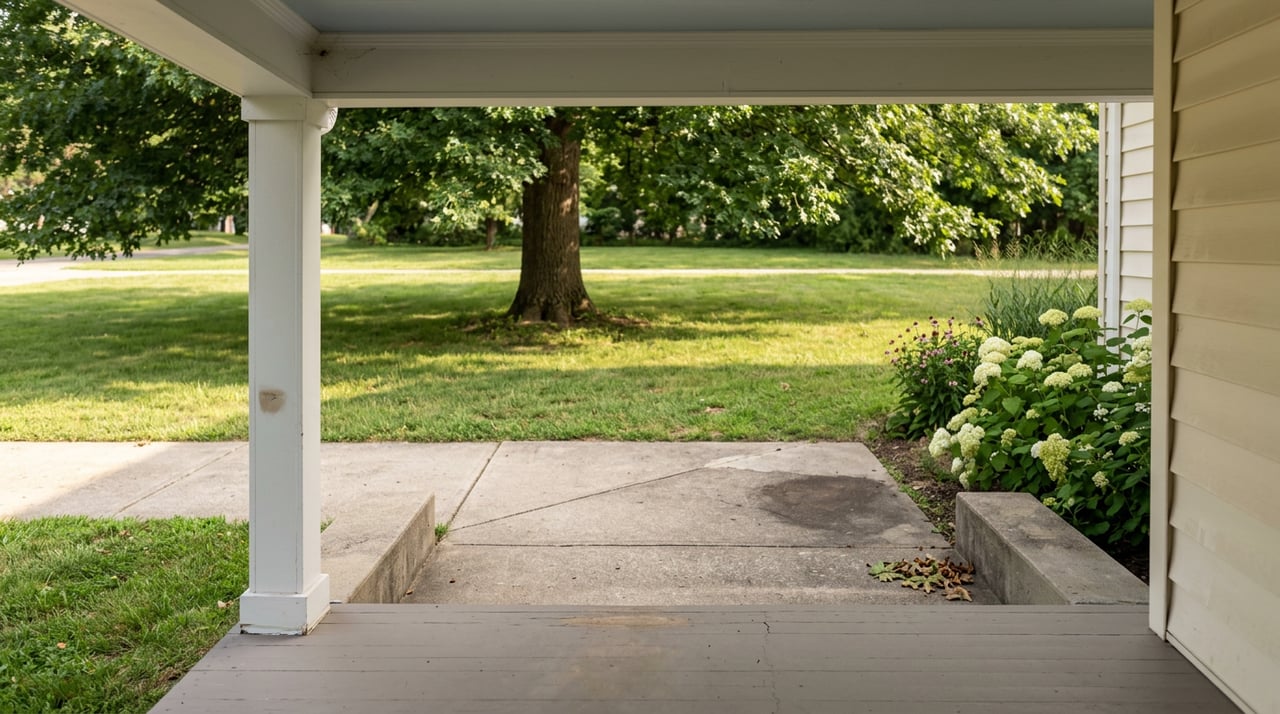
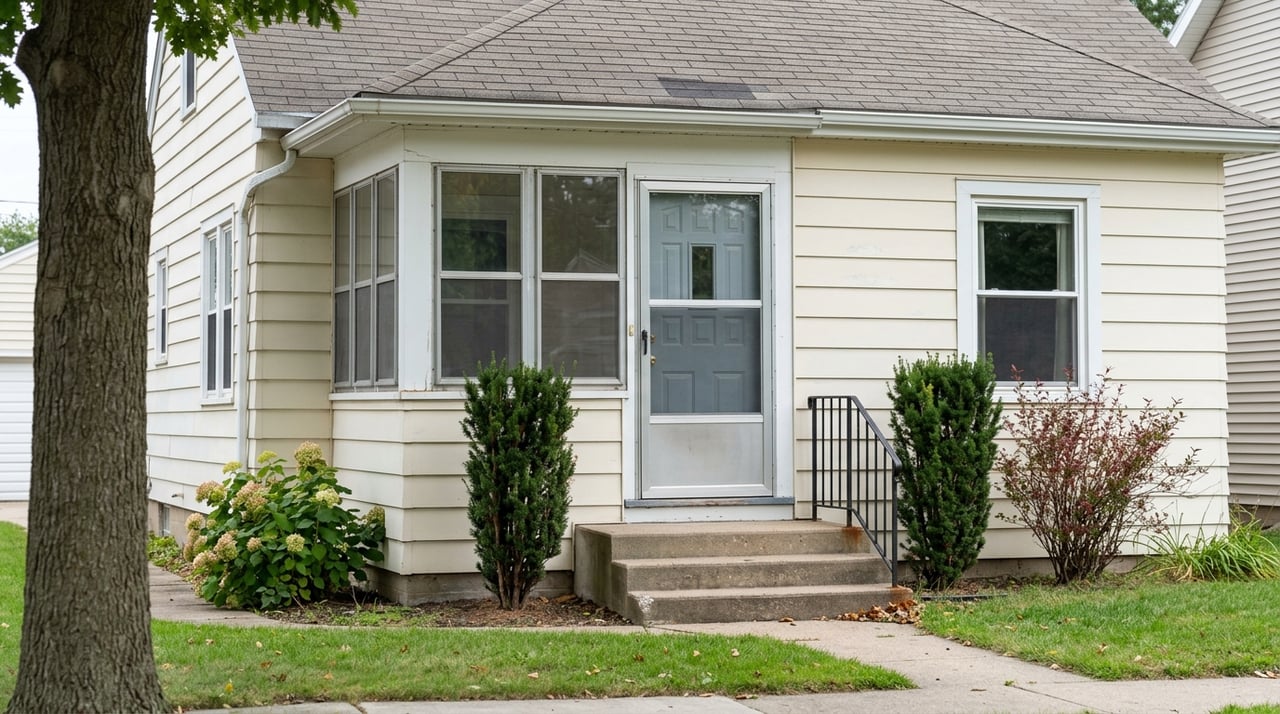
One of the most recognizable home types in Gary is the bungalow. In many older neighborhoods, these homes are compact, efficient, and easy to spot from the street because they often have a front porch, a raised basement, and a low, welcoming profile.
Historic documentation in areas like Morningside describes one-story brick bungalows with raised basements, hipped roofs, gables, exposed rafter tails, sunrooms, and multi-pane-over-one windows. Jefferson Street is also noted for Bungalow/Craftsman homes, which helps explain why this look shows up again and again in older parts of the city.
For you as a buyer, these homes often feel practical and porch-forward. Many have one main living level, with a basement that adds extra storage or flexible space. In current examples, a Gary bungalow can be under 1,000 square feet on the main level but still offer useful bonus space below.
That layout can work well if you want a smaller footprint with character. You may also notice details like dormers, compact front entries, and sunroom areas that add charm without making the home feel oversized.
What a Gary Bungalow Often Includes
- Front porch or enclosed porch
- Raised basement
- Gabled or hipped roof
- Compact main-floor layout
- Sunroom or small flex space
- Traditional exterior details tied to Craftsman or Arts & Crafts design
Ranch Homes and Postwar Styles
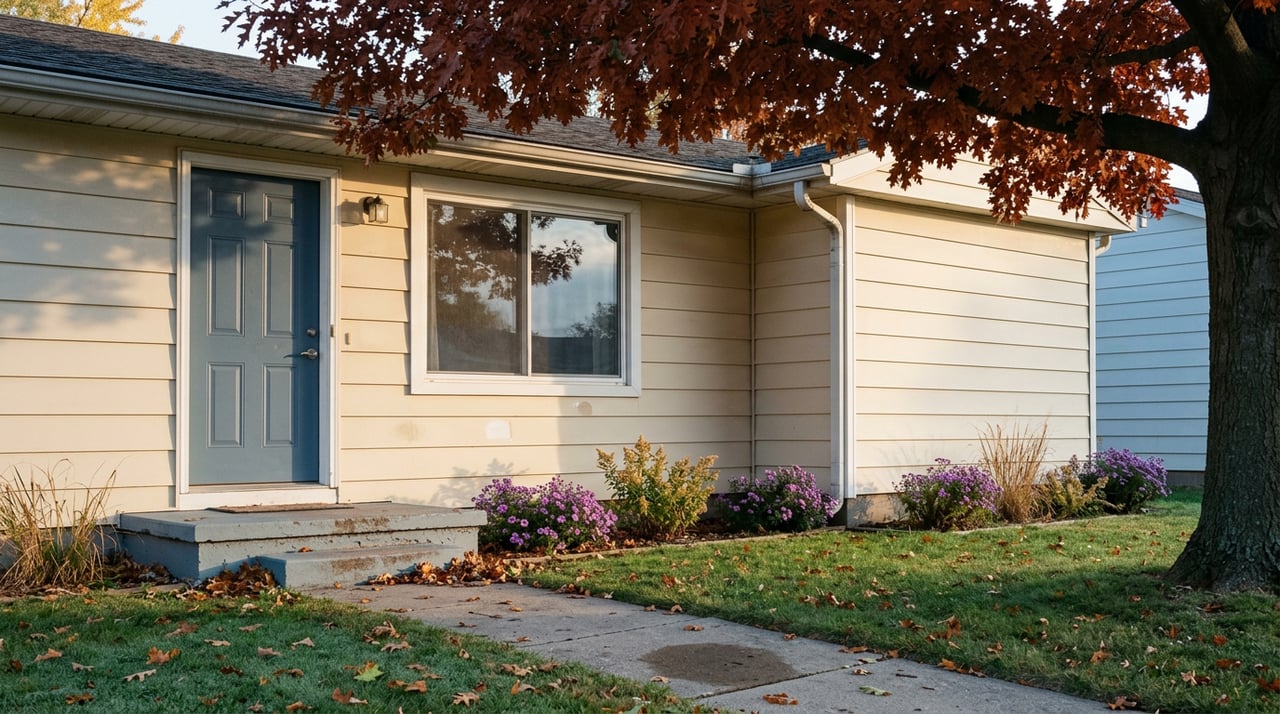
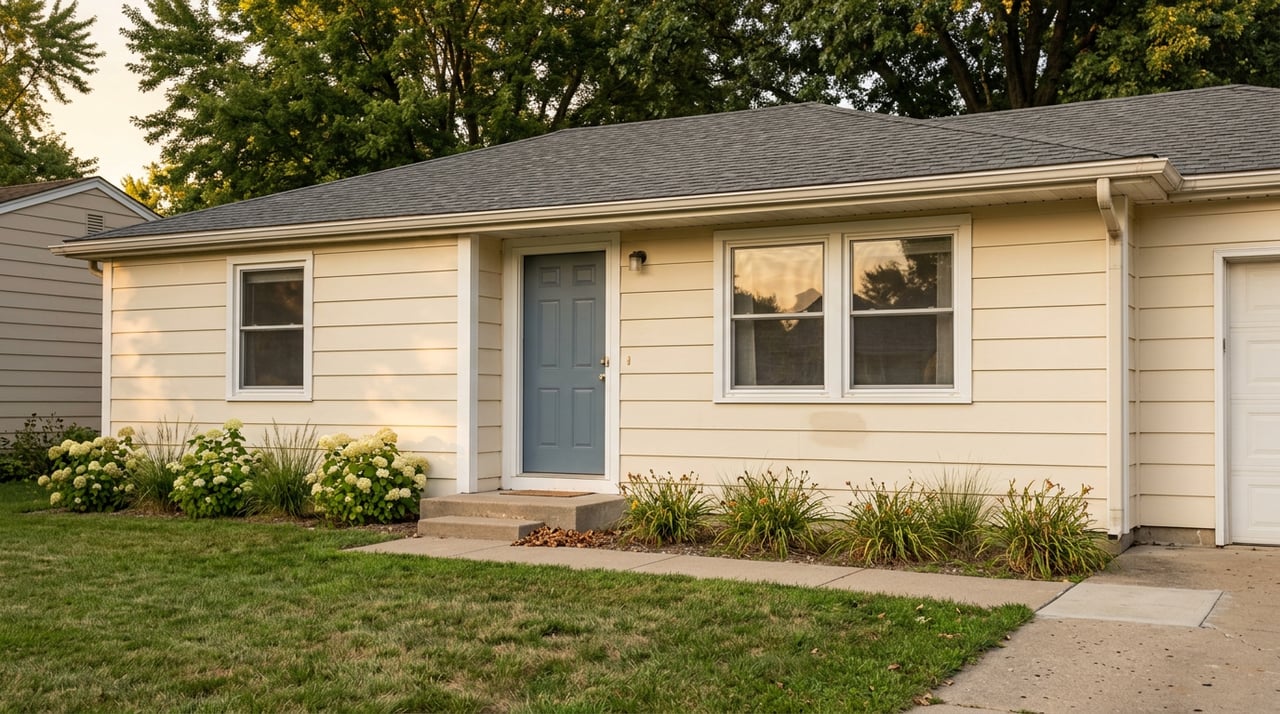
If bungalows tell the story of older Gary, ranch homes help explain the city’s postwar growth. These homes tend to feel simpler, more open, and easier to navigate, especially if you prefer one-level living.
The Andrew Means Park Manor district documents postwar American Small House, Ranch, Split-Level, and Contemporary homes. That neighborhood is also known for curving tree-lined streets, cul-de-sacs, traffic circles, and landscaped islands, which create a different feel from the tighter, more linear layout of older blocks.
In other parts of Gary, later homes include one-story brick ranches and two-story brick Contemporary houses with side gables, attached carports, and attached garages. Compared with many earlier homes, these properties often read as more suburban in layout and massing.
For everyday living, ranch homes usually offer easier circulation. Many pair single-level living with basement space, garage space, or both. Public listing examples in Gary show brick ranches from the 1950s as well as renovated versions with more square footage, covered front porches, and finished lower levels.
Why Buyers Often Like Ranches
- Easier one-level living
- Straightforward room flow
- Brick construction is common
- Basement or garage adds support space
- Often a good fit for buyers who want a practical layout
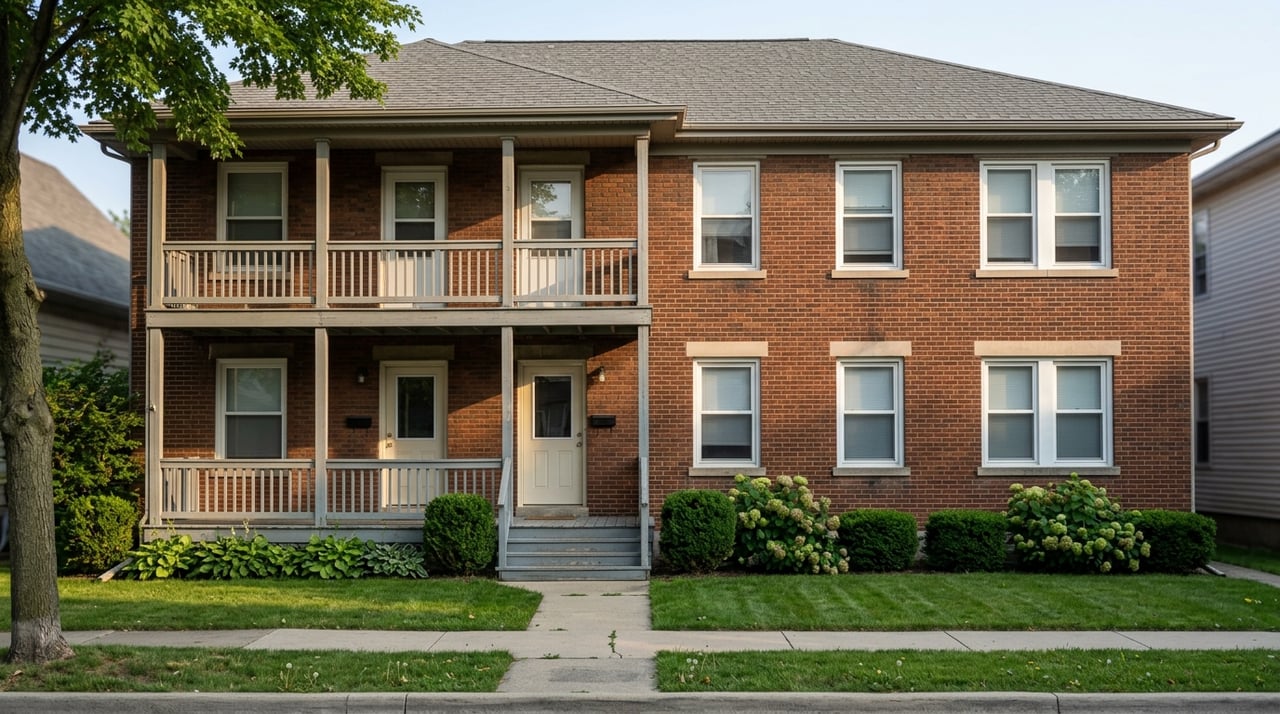
Brick Duplexes and Small Multifamily Homes
Gary is not just a single-family market. The city also has a visible supply of duplexes, triplexes, four-plexes, and other small multifamily buildings, and that makes the housing conversation more flexible.
A Notre Dame housing study specifically points out that Gary includes a range of small multifamily property types. Public listing examples also show brick duplexes and 3-unit buildings that help illustrate what buyers and investors may actually encounter in the market.
These properties can appeal to people looking for different kinds of use. Some buyers may want extra space for related living, while others may be interested in a setup where one unit is owner-occupied and another generates rental income. The layout often trades some privacy for more flexibility.
One public duplex example in Gary included separate utilities, detached garage space, and three levels of living in each unit. That kind of setup shows why multifamily homes can stand apart from standard single-family options.
What Small Multifamily Properties Offer
- More than one unit on one property
- Flexible living arrangements
- Potential rental income setup
- Brick construction in many examples
- Different layout flow than a standard house
Other Home Styles You May Notice
While bungalows, ranches, and duplexes are some of the most visible categories, they are not the whole story. Gary’s historic records also mention Colonial Revival, Late Victorian, English Cottage, and Arts & Crafts homes.
These styles help explain why some blocks feel distinctly prewar. You may see steeper rooflines, more formal symmetry, cottage-like massing, or decorative details that differ from the simpler look of postwar homes.
Gary also has a truly distinctive housing type in the Edison Concept Houses. Indiana Landmarks describes these 1913 concrete row houses and detached cottages as part of the city’s early industrial growth, with more than 70 of the original 86 mold-based buildings reportedly still standing.
Even if you are not shopping specifically for a historic home, these styles shape the feel of many Gary streets. They are part of what makes the city’s housing stock feel layered and varied rather than repetitive.
What Gary Floor Plans Tend to Feel Like
When you tour homes in Gary, style matters, but so does the way the space actually lives day to day. In general, each major home type comes with a different feel.
Bungalows often feel compact and efficient. The porch usually plays a big role in the front of the home, and the basement often gives you extra room beyond what you see on the main level.
Ranches tend to feel easier to move through. If you want fewer stairs and a simpler layout, this style often delivers that, while still giving you garage or basement support space in many cases.
Small multifamily homes usually offer the most flexibility, but the tradeoff is a different level of privacy and a more segmented layout. For some buyers, that is a benefit rather than a drawback.
How Lots and Streets Change the Feel
In Gary, the lot pattern can shape your experience just as much as the house itself. Notre Dame’s study highlights the city’s historic 30-foot residential lots, which help create the close, steady street rhythm you see in many older neighborhoods.
That pattern often works well with front porches, hip roofs, and thoughtfully placed windows. On these blocks, homes can feel closely connected to the street, with a strong sense of repetition from lot to lot.
By contrast, Means Manor was planned with curving streets, cul-de-sacs, traffic circles, and landscaped islands. That gives the area a more suburban layout and a different visual pace.
If you are comparing homes in Gary, this matters. Two houses with similar square footage can feel very different depending on whether they sit on a traditional narrow lot or in a later neighborhood plan.
A Simple Way to Read Gary Homes
If you want a quick shorthand while house hunting, here is the easiest way to think about it. In Gary, porch-forward bungalows often mean compact living with character, brick ranches often mean simpler single-level living, and duplexes or small multifamily buildings often mean added flexibility.
That does not cover every home you will see, but it gives you a strong starting point. Once you understand those three categories, the city’s housing mix starts to make a lot more sense.
If you are looking at homes in Gary, it helps to work with a local team that understands how these styles show up block by block. Whether you are buying a renovated single-family home, exploring multifamily options, or planning your next move in Lake County, Favela Homes can help you make sense of your options with practical local insight.
FAQs
What home styles are most common in Gary, Indiana?
- The most visible home styles in Gary include bungalows, Craftsman-related cottages, brick ranches, and small multifamily buildings like duplexes and triplexes.
What does a bungalow in Gary usually look like?
- A Gary bungalow often has a front porch, a compact main floor, a raised basement, and roof details like gables or dormers.
What makes ranch homes in Gary different from older homes?
- Ranch homes in Gary are generally tied to postwar development and often offer one-level living, simpler circulation, and features like garages or basements.
Are multifamily homes common in Gary, Indiana?
- Yes. Gary includes duplexes, triplexes, four-plexes, and other multifamily buildings alongside single-family homes.
Why do Gary neighborhoods have different housing styles?
- Gary developed over multiple eras, so older neighborhoods and postwar areas were built with different design styles, lot patterns, and street layouts.
What should buyers notice when touring homes in Gary?
- Buyers should pay attention to the home style, floor plan, basement or garage space, lot width, and how the street layout changes the feel of the property and block.